Your Ultimate Guide to Converting Oz to Quart: Kitchen Hacks
Converting ounces to quarts might feel daunting, especially for novice cooks navigating the vast culinary world filled with various liquid measurements. However, this essential cooking conversion can significantly impact the quality of your dishes, ensuring you achieve precise flavors and textures in your recipes. Whether you’re measuring ingredients for a hearty soup or a delicate sauce, understanding how to convert ounces to quarts is a vital kitchen hack for your culinary toolkit. This guide will unravel the intricacies of fluid ounces to quarts, offering practical cooking tips and helpful measurement conversion strategies. So, let’s dive into the kitchen secrets that will simplify your cooking adventures and make you a measurement conversion pro!
When it comes to liquid volume, fluid ounces and quarts are fundamental terms you’ll encounter in recipes and cooking guides. The former is primarily used in the U.S. to measure liquid ingredients like broth and sauces, while quarts represent larger volumes typically reserved for bulk liquids. Familiarizing yourself with these essential units of measurement can not only streamline your cooking process but also enhance your overall culinary experience. Whether you’re tackling a complex recipe or simply wanting to ensure accurate proportions for meal prep, mastering quarts to ounces conversions will serve you well in your kitchen endeavors. Embrace these measurement principles, and elevate your cooking game with newfound confidence!
The Importance of Accurate Liquid Measurements
Accurate liquid measurements are crucial in cooking and baking. When a recipe calls for a specific volume of liquid, even minor variations can affect the final product. For instance, adding too much water to a cake batter might result in a dense texture, while using too little could lead to a dry outcome. This precision is especially significant in recipes that rely on chemical reactions, such as baking, where the balance between wet and dry ingredients dictates the overall success.
Understanding how to convert ounces to quarts can significantly impact your culinary results. This not only helps you follow recipes more effectively but also empowers you to adjust ingredient quantities for larger servings without compromising the integrity of the dish. New cooks often underestimate the importance of these measurements, which is why familiarizing oneself with conversion basics is an invaluable skill.
Converting Ounces to Quarts: A Simple Guide
To convert ounces to quarts, remember that 1 quart is equal to 32 fluid ounces. This simple relationship can save time and reduce confusion while preparing meals. If you are working with a recipe calling for quarts but only have a measuring cup marked in ounces, you can easily determine how many ounces you need by multiplying the quarts by 32. In practical terms, if a recipe requires 1.5 quarts, you would multiply 1.5 by 32 to find that you need 48 fluid ounces.
For more complex conversions, you might find it helpful to create a quick reference chart or use digital apps that streamline these calculations. By simplifying the conversion process, you can focus less on math and more on creating delicious meals. Regular practice with these conversions will boost your confidence in the kitchen and help you manage recipes with complex liquid measurements.
Kitchen Hacks to Simplify Measurement Conversion
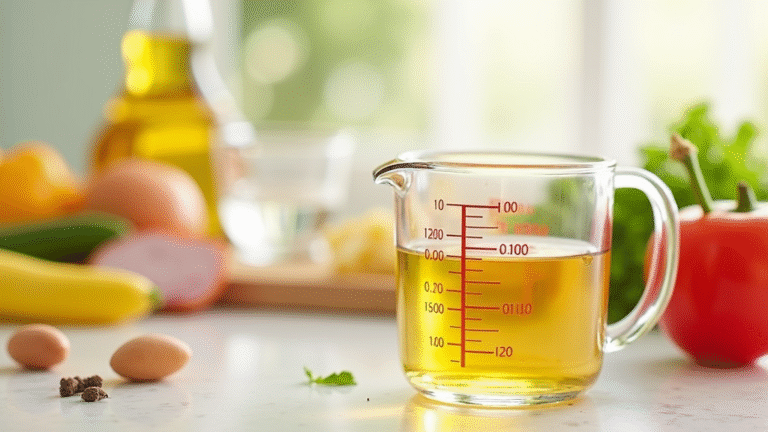
Implementing kitchen hacks can make converting ounces to quarts easier and more intuitive. For instance, using measuring cups that delineate both ounces and quarts allows for quick and visual measurements while you cook. Additionally, labeling cups with common conversions—like 8 oz = 0.25 qt—can serve as an efficient reminder, eliminating the need for constant referencing. These simple visual cues can significantly decrease preparation time and improve accuracy.
Another useful tip is to keep a digital conversion chart or use measurement conversion applications accessible in your kitchen. This resource can instantly provide the conversion figures you need without the risk of miscalculating. Over time, you’ll find that these small adjustments lead to smoother cooking sessions and more successful recipes.
Practical Applications of Measurement Conversions
Mastering measurements is not just an academic exercise; it has real-world implications in various cooking scenarios. For instance, during meal prep, knowing how to seamlessly convert ounces to quarts ensures you make the right amount of sauce or soup for the week. This efficiency results in less wasted food and more effortless cooking when you’re ready to eat.
Similarly, understanding measurement conversions is vital in baking, where precision is paramount. A slight miscalculation can lead to a cake sinking in the middle or cookies spreading too much. By being adept at converting fluid ounces to quarts, you enhance not just your baking skills but your confidence in tackling more intricate recipes that require strict adherence to liquid measurements.
Avoiding Common Conversion Mistakes
While converting ounces to quarts may seem straightforward, there are common errors that can trip up even seasoned cooks. One frequent pitfall is overlooking the type of ounce being used. Remember, fluid ounces are meant for liquid measurements, whereas dry ounces pertain to weight. Mixing these up can lead to disastrous culinary outcomes.
Another mistake is misplacing decimal points during conversions. A misplaced decimal can exaggerate or reduce the required volume drastically, adversely affecting the flavor and texture of your dish. To avoid these mix-ups, it’s beneficial to double-check calculations and use reliable resources or apps designed specifically for cooking conversions.
Transform Your Cooking with Measurement Mastery
Investing time into understanding measurement conversions can drastically transform your cooking repertoire. As you become more proficient at converting between fluid ounces and quarts, your ability to follow and adjust recipes will significantly improve. Whether you’re scaling a recipe up for a gathering or down for a single-serving meal, knowing how to accurately measure liquids enhances the quality of your dishes.
Moreover, this mastery opens doors to new culinary adventures. With your newfound knowledge, you can confidently experiment with recipes from various cuisines that employ different units of measurement. Embrace the challenge and let your enhanced measurement skills elevate your cooking and baking experiences.
Boost Your Confidence with Cooking Conversions
Becoming adept at converting fluid ounces to quarts will not only improve your cooking skills but also build your confidence in the kitchen. Many home cooks fear complex recipes due to the perceived need for precise measurements. However, with a better grasp of these conversions, you’ll find that adapting these recipes to suit your needs becomes second nature.
Additionally, as you practice these conversions regularly, you’ll become quicker at assessing measurements on the fly, allowing for more creativity in your cooking. This will empower you to improvise and experiment, leading to delicious and uniquely crafted meals that showcase your culinary flair.
Frequently Asked Questions
How do I convert ounces to quarts in my cooking recipes?
To convert ounces to quarts, divide the number of fluid ounces by 32, since 1 quart equals 32 fluid ounces. For example, for 64 oz, you would calculate 64 ÷ 32 = 2 quarts.
What are some kitchen hacks for converting ounces to quarts easily?
Some simple kitchen hacks include using measuring cups that show both ounces and quarts, downloading a conversion app for quick reference, and labeling your containers with common conversions, like 8 oz equals 0.25 qt.
What is the difference between fluid ounces and quarts in liquid measurements?
Fluid ounces are a smaller unit of volume typically used for measuring liquids in recipes, while quarts are larger units used for more substantial quantities. Remember, 1 quart equals 32 fluid ounces.
Can I use a cooking scale to help with converting ounces to quarts?
Yes, a cooking scale can be a helpful tool for converting ounces to quarts. It provides precise measurements for liquids, ensuring accurate proportions in your recipes.
Why is it important to understand fluid measurements like ounces and quarts when cooking?
Understanding fluid measurements such as ounces and quarts is crucial as it ensures accuracy in recipes, enhancing your cooking results and preventing kitchen mishaps.
How can I avoid common mistakes when converting ounces to quarts?
To avoid common mistakes, be careful with decimal points, ensure you use fluid ounces for liquid measurements, and practice conversions to gain confidence.
What practical applications are there for knowing how to convert quarts to ounces?
Knowing how to convert quarts to ounces is particularly useful in baking, meal prepping, canning, and even tracking nutritional intake accurately.
| Fluid Ounces (oz) | Quarts (qt) |
|---|---|
| 8 oz | 0.25 qt |
| 16 oz | 0.5 qt |
| 24 oz | 0.75 qt |
| 32 oz | 1 qt |
| 48 oz | 1.5 qt |
| 64 oz | 2 qt |
| 96 oz | 3 qt |
| 128 oz | 4 qt |
Summary
Converting ounces to quarts is a fundamental skill that can greatly enhance your cooking efficiency and accuracy. Whether you’re following a recipe or preparing meals in bulk, understanding these measurements ensures you’re using the correct amounts for your dishes. Throughout this guide, we’ve provided tools and techniques that simplify the conversion process, making it accessible for cooks of all levels. By mastering the conversion from ounces to quarts, you can elevate your culinary creations and mitigate common kitchen errors, allowing you to focus your energy on what you love: cooking!
Are you looking to enhance your WordPress site with top-notch content? Look no further than Autowp, the ultimate AI content generator and AI content creator plugin for WordPress. This innovative tool harnesses the power of artificial intelligence to produce high-quality, engaging content tailored to your audience, helping you boost your website’s visibility and effectiveness. Transform your content creation process and watch your site flourish with the unmatched capabilities of Autowp! To remove this promotional paragraph, upgrade to Autowp Premium membership.