The Ultimate Guide to Measuring Liquids: Oz vs Quart
Measuring liquids is a fundamental skill for anyone who enjoys cooking or baking. Properly gauging the liquid ingredients in your recipes can significantly affect the flavor and texture of your dishes. In this guide, we will explore different units of measurement, focusing on ounces and quarts, two of the most common metrics used for measuring liquids. Understanding the nuances between these measurements not only simplifies cooking but also fosters greater confidence in the kitchen. Whether you’re whipping up a sumptuous soup or mixing batter, knowing how to accurately measure liquids is key to culinary success.
When it comes to the art of cooking, accurately gauging fluid quantities is paramount, and it can involve various terminologies such as fluid ounces, quarts, and liquid measurements. Many home chefs encounter these expressions while following recipes, and recognizing them aids in achieving the desired dish consistency. Fluid ounces are often employed for smaller portions, while quarts lend themselves well to larger volumes, essential for bulk cooking or meal prep. Mastering these metrics enables aspiring cooks to navigate kitchen tasks with ease, ensuring they can create delicious meals without the hassle of miscalculations. It’s vital to complement your culinary journey with the right knowledge about the conversion and applications of these liquid measurement units.
Understanding Volume Measurements: Ounces and Quarts
Volume measurements are essential in cooking, especially when it comes to both accuracy and consistency in recipes. Ounces (oz) and quarts are two fundamental units used frequently in kitchens, particularly in the United States. An ounce is smaller in scale, often utilized for measuring things like seasonings, oils, or other liquid flavorings. Knowing how these two units operate will allow home cooks to truly understand their recipe’s needs. Quarts, being larger, come into play when cooking larger portions, such as soups or casseroles.
In recipes, the use of ounces signifies a focus on precision, often required for baking or specialized dishes where effective flavor balance is critical. On the other hand, quarts cater more to the bulk cooking style, implying meals designed for family gatherings or meal prep routines. Mastering how to work with these units opens up a world of culinary possibilities, ensuring that every dish is both delicious and perfectly measured.
The Importance of Accurate Liquid Measurements
Accurate liquid measurements are paramount in the culinary world. The need for precision can significantly affect the taste and texture of the final dish. In baking, for instance, overly measuring a liquid ingredient can lead to soggy cookies or cakes, while under-measuring might produce dry results. That’s why a firm grasp on liquid measurements, especially between ounces and quarts, is crucial for aspiring chefs and experienced cooks alike.
Besides the immediate impact on flavors, using proper measuring techniques can also enhance the cooking experience. It minimizes frustration, particularly when scaling recipes up or down. By understanding how to transition between ounces and quarts, cooks can avoid unnecessary guesswork and focus more on enjoying their culinary creations.
Measuring Liquids: Essential Tools and Techniques
Having the right tools at hand is vital when measuring liquids accurately. Liquid measuring cups, featuring spouts and clear markings, allow for quick and precise assessments, mitigating mistakes. When using these cups, it is important to always check measurements at eye level to avoid misreading due to angle. For smaller quantities, standard measuring spoons can suffice, ensuring no extra liquids throw off a dish’s intended taste.
Another noteworthy technique while measuring liquids is to avoid overfilling. Topping off a measuring cup slightly above the line and then leveling it out can lessen the chances of inaccuracies. This is particularly crucial when accuracy is a must, such as in baking. Standardizing your measurements can provide a better understanding of how volume changes when scaling recipes.
Conversions Made Easy: Ounces to Quarts
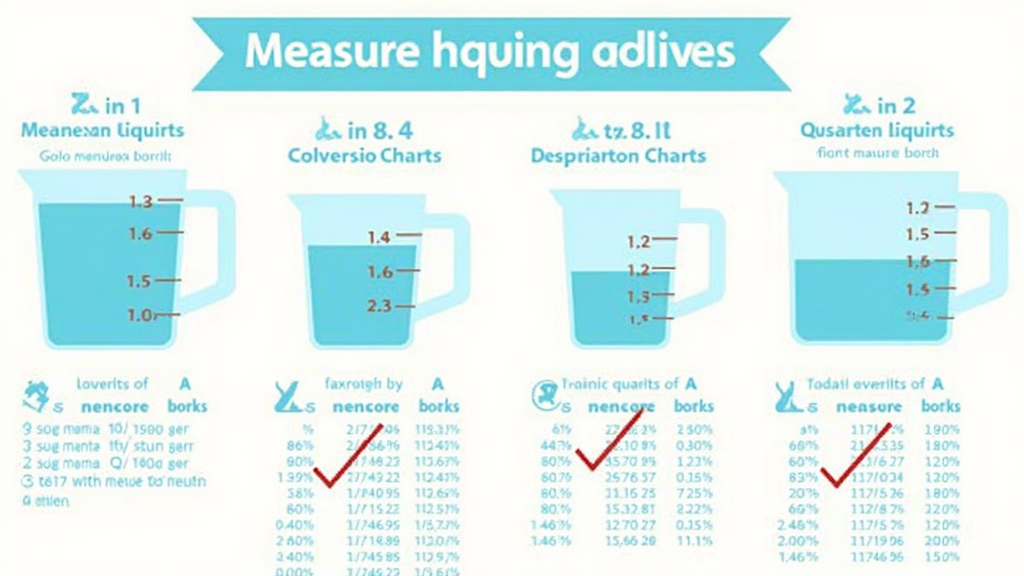
Understanding conversions between ounces and quarts can significantly streamline the cooking process. For example, knowing that 1 quart is equivalent to 32 ounces simplifies many common recipes. This knowledge is especially handy when measuring in quarts may seem more intuitive for larger quantities, but only a scale that measures in ounces is available. A little preparation, like memorizing a quick reference chart, can save time and reduce stress while cooking.
Experiencing the ease of fluid conversions ensures you maintain the integrity of the dish. Instead of wasting time hesitating over measurements, cooks can confidently make the switch between units, knowing they are maintaining accuracy throughout. Familiarizing oneself with conversions helps optimize efficiency in the kitchen and invites greater creativity in culinary practices.
Practical Applications of Ounces and Quarts in Everyday Cooking
In everyday cooking, the choice between ounces and quarts typically hinges on the quantity of liquid involved. Ounces tend to be the go-to choice for recipes demanding smaller volumes, including homemade dressings or single-serve beverages. Conversely, recipes calling for quarts often relate to larger dishes, like casseroles or family-sized sauces, demonstrating how both measurements play a significant role in daily cooking.
By understanding when to use each unit, you can ensure that your meals are both effective and enjoyable. The difference becomes apparent when adjusting recipes; a little knowledge can go a long way toward mastering cooking techniques. Accurate measuring means better outcomes in the kitchen, allowing for the perfect execution of even the most complex recipes.
Common Mistakes in Measuring Liquids and How to Avoid Them
Even experienced cooks can fall into the trap of making mistakes when measuring liquids. One common error is confusing ounces (fluid ounces) with ounces by weight, particularly in baking where precision is critical. Ensuring you use the right measurement for the right ingredient is vital, especially seeing how ingredients can vary greatly in terms of density and volume.
Another frequent mistake is measuring at an angle. Whether due to haste or lack of attention, not being level with the measuring cup can mislead your measurements, resulting in equally misleading outcomes in recipes. Cultivating awareness of these common pitfalls can elevate your cooking skills and yield more consistent, delicious results.
Frequently Asked Questions
What are the best tools for measuring liquids accurately?
For measuring liquids accurately, use liquid measuring cups with clear markers on the side for easy reading. Ideally, choose glass or plastic cups designed specifically for liquids, along with measuring spoons for smaller quantities.
How do I convert quarts to ounces when measuring liquids?
To convert quarts to ounces, simply multiply the number of quarts by 32. For instance, if you have 1 quart of liquid, that equals 32 ounces.
When should I use ounces instead of quarts for measuring liquids?
Use ounces for smaller quantities of liquids, such as dressings, sauces, and beverages like coffee. Ounces are ideal when precise measurements are necessary for baking or for small quantities of flavoring.
Are fluid ounces the same as ounces when measuring liquids?
No, fluid ounces (fl oz) measure volume, while ounces (oz) can refer to weight. In measuring liquids, always use fluid ounces for accurate volume calculations.
Why is it important to measure liquids carefully when cooking?
Accurate liquid measurements are crucial in cooking and baking to ensure the correct proportions of ingredients, leading to successful recipes and consistent results.
What should I do if I overfill my liquid measuring cup?
If you overfill your liquid measuring cup, simply pour a little out until it reaches the desired measurement. Always aim to fill above the line and level it off for accuracy.
How can I improve my measuring techniques for liquids in cooking?
To improve measuring techniques for liquids, always check measurements at eye level, use appropriate measuring tools, and practice proper pouring techniques to avoid spills and overfilling.
| Measurement Unit | Equivalent in Fluid Ounces | Typical Use | Examples |
|---|---|---|---|
| Ounce (oz) | 1 oz = 1/32 quart | Smaller quantities | Flavorings, oils, drinks (coffee, tea) |
Summary
Measuring liquids correctly is a key skill for any cook looking to elevate their culinary creations. Understanding the distinctions between ounces and quarts allows for precise measurements, which are vital in achieving tasty results in cooking and baking. Ounces are perfect for smaller measurements, making them ideal for ingredients like spices and flavorful liquids, whereas quarts are suited for larger quantities used in recipes for soups and stocks. Familiarity with both measurement units not only simplifies recipe execution but also enhances your confidence in the kitchen. Next time you prepare a delicious dish, remember that mastering measuring liquids can lead to greater success and enjoyment in your culinary adventures.
Discover the power of Autowp, the ultimate AI content generator and AI content creator plugin for WordPress! With Autowp, you can effortlessly generate high-quality content tailored to your website’s needs, enhancing your SEO and engaging your audience like never before. Whether you’re a blogger, business owner, or content creator, Autowp streamlines your content creation process, making it faster and more efficient. To remove this promotional paragraph, upgrade to Autowp Premium membership.