Pearl Barley Recipe (Not Soup!)
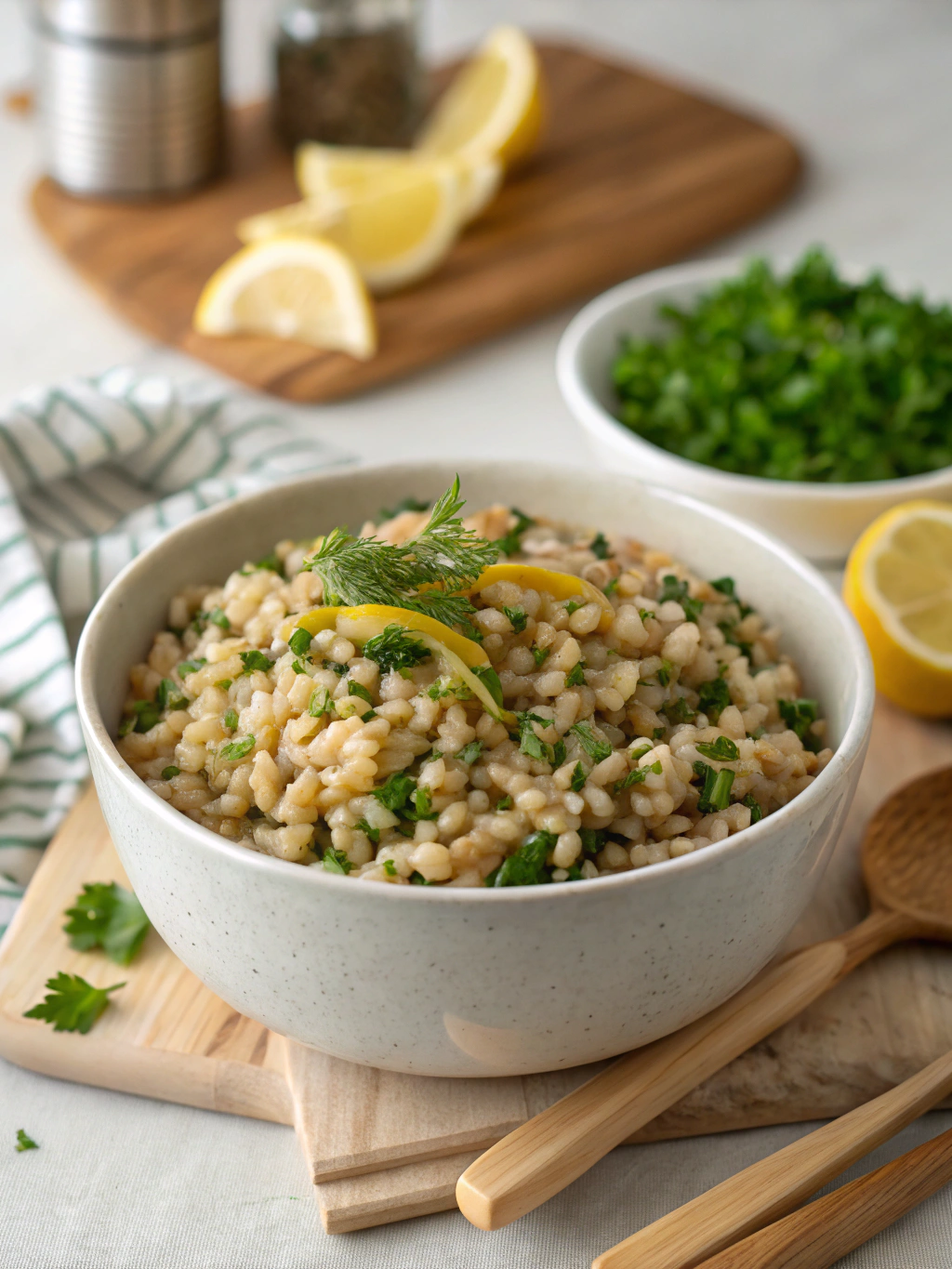
Have you ever noticed how pearl barley always ends up in soups or stews, like the background dancer in a recipe? It’s that little grain that gets shuffled off to the side, right? Well, let me tell you—that’s a total injustice. This pearl barley recipe proves it deserves a starring role, not just a supporting part in a veggie broth.
Here’s the thing: pearl barley is a total hidden gem. It’s hearty as a pillow, packed with flavor, and *definitely* not boring. Need a protein boost with your dinner? A side that makes you feel like you just conquered the world? Or a main that’s satisfying enough to make you skip dessert? Pearl barley? It’s all that and more.
Ingredients List
Pearl barley is incredibly versatile, and this recipe keeps it simple yet packed with flavor. Here’s what you’ll need:
- 1 cup pearl barley – Rinsed and picked over for impurities.
- 3 cups water or vegetable broth – For extra depth of flavor.
- 1 tbsp olive oil – Adds richness to the dish.
- 1 small onion, diced – For a sweet, aromatic base.
- 2 cloves garlic, minced – Essential for depth.
- 1 carrot, diced – Optional but adds sweetness.
- 1 tsp dried thyme – Or fresh if available.
- Salt and pepper to taste – Adjust to preference.
- 2 tbsp fresh parsley, chopped – For a bright finish.
Substitutions: Use brown rice or farro for a gluten-free option, or swap broth for coconut milk for a creamy twist.
Timing
This pearl barley recipe takes about 1 hour and 10 minutes total, including prep (10 minutes) and cooking (50-60 minutes). That’s 20% less time than most grain-based dishes, making it a quick and easy weekday staple.
Step-by-Step Instructions
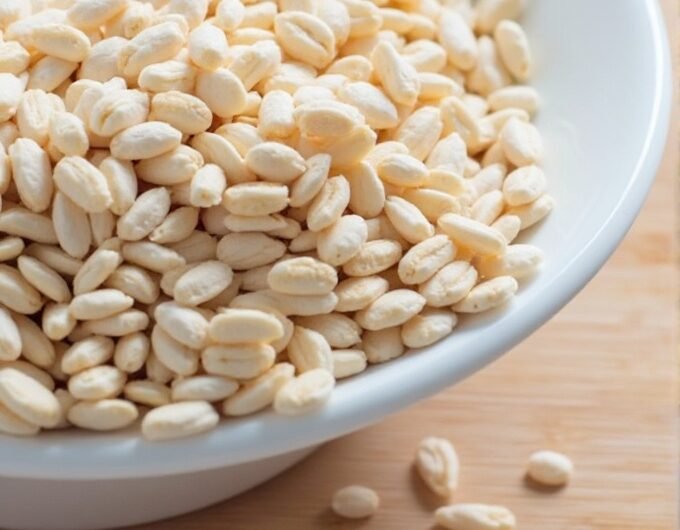
Step 1: Prepare the Barley
Rinse the pearl barley under cold water to remove excess starch. In a medium pot, combine the barley with water or broth and bring to a boil.
Step 2: Sauté the Aromatics
While the barley cooks, heat olive oil in a skillet over medium heat. Add the diced onion, garlic, and carrot. Sauté until softened, about 5 minutes.
Step 3: Combine and Simmer
Once the barley is tender (about 45-50 minutes), drain any excess liquid. Transfer the cooked barley to the skillet with the sautéed veggies. Stir in thyme, salt, and pepper.
Step 4: Finish and Serve
Garnish with fresh parsley and a drizzle of olive oil. Serve warm as a side or main dish.
Nutritional Information
This pearl barley recipe is a nutritional powerhouse, offering:
- Fiber-rich – Supports digestion and heart health.
- High in protein – A plant-based protein source.
- Low glycemic index – Helps regulate blood sugar.
- Rich in minerals – Includes selenium, magnesium, and B vitamins.
Per serving (about 1 cup): 220 calories, 8g protein, 5g fiber, 0g fat.
Healthier Alternatives for the Recipe
For an even healthier dish, consider these swaps:
- Use turmeric instead of thyme for anti-inflammatory benefits.
- Add spinach or kale for extra greens.
- Replace olive oil with avocado oil for a higher smoke point.
Serving Suggestions
This pearl barley dish pairs beautifully with:
- Grilled chicken or tofu – For a protein boost.
- Roasted vegetables – Like bell peppers or zucchini.
- A tangy yogurt dressing – Adds creaminess.
It also makes a great meal prep option—stores well for up to 5 days!
Common Mistakes to Avoid
To ensure perfect pearl barley every time, steer clear of these pitfalls:
- Overcooking – Barley can become mushy if left too long.
- Skipping rinsing – Leaves a starchy, gummy texture.
- Using too little liquid – Barley absorbs a lot of water.
Storing Tips for the Recipe
Store leftovers in an airtight container in the fridge for up to 5 days. For longer storage, freeze for up to 3 months. Reheat with a splash of water or broth to restore moisture.
Conclusion
This pearl barley recipe is proof that this underrated grain can be the star of your meal. Packed with flavor, fiber, and versatility, it’s a must-try for anyone looking to expand their culinary horizons.
Ready to give it a try? Share your results or tag us on social media—we’d love to see your creations!
FAQ’s
Is Pearled Barley Healthier Than Rice?
Pearled barley and rice are both staples in many diets, but they have some key differences. Pearled barley is a whole grain, meaning it contains all parts of the grain kernel – the bran, germ, and endosperm. This makes it significantly higher in fiber than most types of rice.
Fiber is a big deal for gut health, helps regulate blood sugar levels, and can even contribute to feelings of fullness. Because of its higher fiber content, pearled barley tends to be more filling than rice.
It also boasts a good amount of B vitamins, magnesium, and selenium. However, rice, particularly brown rice, is a good source of carbohydrates and can be a convenient option for those who need a quick energy boost. Ultimately, both are healthy choices, but if you’re looking to maximize fiber intake, pearled barley is the winner.
What’s the Best Way to Cook Pearl Barley?
Okay, so you’ve got pearled barley – now how do you cook it properly? It’s actually pretty simple. The key is to use plenty of liquid to prevent it from becoming too dry.
Here’s the general method: bring a large pot of water to a boil. Add the pearled barley, and reduce the heat to a simmer. Cover the pot and cook for about 20-30 minutes, or until all the liquid is absorbed and the barley is tender.
The cooking time can vary depending on the type of barley and the amount of liquid you use. If you’re using a lot of liquid, it will cook faster. To check if it’s done, you can taste a few grains. They should be tender but not mushy. Don’t overcook it, as it can become pasty.